
Japandi Pendant Lights
Japandi lighting blends Japanese wabi-sabi restraint with Scandinavian warmth using rattan, bamboo, rice paper, and ceramic. Dimmable options for dining tables, bedrooms, and entryways with clean lines and natural materials.
Japandi lighting blends Japanese wabi-sabi restraint with Scandinavian warmth using rattan, bamboo, rice paper, and ceramic. Dimmable options for dining tables, bedrooms, and entryways with clean lines and natural materials.
-


 Clearance
Save to board
- Loading…
Lampe à suspension Shibui
Price Now: $163.96Before: $215Prix habituelMembers save an extra 10% off — Join Now
LABOR20Arrives
-


Save to board
- Loading…
Shibui Sand Pendant Light
Regular Price: $630Prix habituelMembers save 20% off — Join Now
LABOR20Arrives
-




Save to board
- Loading…
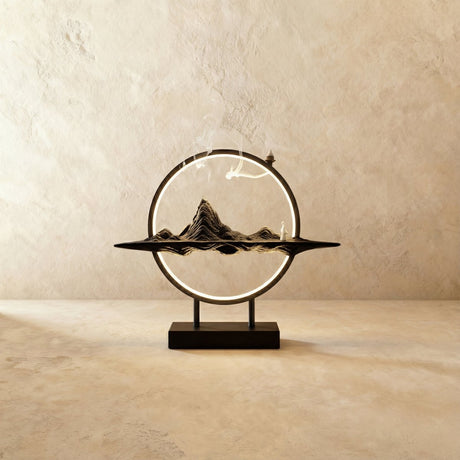
Lampe de table brûleur d’encens au clair de lune
Regular Price: $330Prix habituelMembers save 20% off — Join Now
LABOR20Arrives
-


Save to board
- Loading…
-


Save to board
- Loading…
Tranquil Incense Burner Table Lamp
Regular Price: $390Prix habituelMembers save 20% off — Join Now
LABOR20Arrives
-


Save to board
- Loading…
Lampadaire Twist Moderne
Regular Price: $830Prix habituelMembers save 20% off — Join Now
LABOR20Arrives
-


Save to board
- Loading…
Shibui Ceiling Light
Regular Price: $380Prix habituelMembers save 20% off — Join Now
LABOR20Arrives
-


Save to board
- Loading…
Lampe à suspension Eileen
Regular Price: $460Prix habituelMembers save 20% off — Join Now
LABOR20Arrives
-


Save to board
- Loading…
Dixon Outdoor Garden Lamp
Regular Price: $70Prix habituelMembers save 20% off — Join Now
LABOR20Arrives
-


Save to board
- Loading…
Candila Pendant Light
Regular Price: $275Prix habituelMembers save 20% off — Join Now
LABOR20Arrives
-


Save to board
- Loading…
Aluria Travertine Wall Lamp
Regular Price: $255Prix habituelMembers save 20% off — Join Now
LABOR20Arrives
-


Save to board
- Loading…
Lampadaire Skiastro
Regular Price: $655Prix habituelMembers save 20% off — Join Now
LABOR20Arrives
-


Save to board
- Loading…
Lampe de table Irène
Regular Price: $352Prix habituelMembers save 20% off — Join Now
LABOR20Arrives
-


Save to board
- Loading…
Suspension Entwine
Regular Price: $805Prix habituelMembers save 20% off — Join Now
LABOR20Arrives
-


Save to board
- Loading…
Enso Pendant Light
Regular Price: $420Prix habituelMembers save 20% off — Join Now
LABOR20Arrives
-


Save to board
- Loading…
Marus Pendant Light
Regular Price: $315Prix habituelMembers save 20% off — Join Now
LABOR20Arrives
-


Save to board
- Loading…
Siraj Pendant Light
Regular Price: $980Prix habituelMembers save 20% off — Join Now
LABOR20Arrives
-


Save to board
- Loading…
Ivado Travertine Wall Lamp
Regular Price: $420Prix habituelMembers save 20% off — Join Now
LABOR20Arrives
-


Save to board
- Loading…
Darnel Pendant Light
Regular Price: $700Prix habituelMembers save 20% off — Join Now
LABOR20Arrives
-


Save to board
- Loading…
Ruth Pendant Light
Regular Price: $655Prix habituelMembers save 20% off — Join Now
LABOR20Arrives
-


Save to board
- Loading…
Travertine Pendant Light
Regular Price: $600Prix habituelMembers save 20% off — Join Now
LABOR20Arrives
-


Save to board
- Loading…
-


Save to board
- Loading…
Omicil Travertine Wall Lamp
Regular Price: $250Prix habituelMembers save 20% off — Join Now
LABOR20Arrives
-


Save to board
- Loading…
Bitqu Floor Lamp
Regular Price: $1,595Prix habituelMembers save 20% off — Join Now
LABOR20Arrives
-


Save to board
- Loading…
Tectum Ceiling Light
Regular Price: $1,920Prix habituelMembers save 20% off — Join Now
LABOR20Arrives
-


Save to board
- Loading…
Lampe de table Mitsu
Regular Price: $400Prix habituelMembers save 20% off — Join Now
LABOR20Arrives
-


Save to board
- Loading…
Glimra Travertine Wall Lamp
Regular Price: $345Prix habituelMembers save 20% off — Join Now
LABOR20Arrives
-


Save to board
- Loading…
Zelena Chandelier
Regular Price: $1,005Prix habituelMembers save 20% off — Join Now
LABOR20Arrives
-


Save to board
- Loading…
Glova Travertine Wall Lamp
Regular Price: $300Prix habituelMembers save 20% off — Join Now
LABOR20Arrives


Trending now
What other homes are falling for right now.
-


 New
NewSave to board
- Loading…
-


Save to board
- Loading…
-


Save to board
- Loading…
Teva Round Alabaster Chandelier
De$1,532.80Prix habituelMembers save 20% off — Join Now
LABOR20Arrives
-


Save to board
- Loading…
-


Save to board
- Loading…
-


 Clearance
Save to board
- Loading…
-


Save to board
- Loading…
-
Clearance
Save to board
- Loading…
-


Save to board
- Loading…


FAQ
Questions, Answered.
What is Japandi lighting?
What materials are used in Japandi pendant lights?
What color temperature suits Japandi lighting?
How high should a Japandi pendant light hang over a dining table?
Are Japandi pendant lights dimmable?
What rooms suit Japandi lighting best?
What is the difference between Japandi and wabi-sabi lighting?
Can Japandi pendant lights work in a contemporary home?
What bulb type works best with Japandi pendant lights?
How do Japandi pendant lights differ from Scandinavian minimalist pendants?
Still have questions? Our team is here to help.
Contact Support
About Japandi Pendant Lights
Understanding Japandi Pendant Lights
Good interior style relies heavily on restraint. Japandi pendant lights solve this problem beautifully by acting as a harmonious blend of Japanese minimalism and Scandinavian warmth. This particular look emphasizes simplicity across your architecture. By leaning into clean lines and natural materials, this approach helps design a calm, clutter free environment. Dropping a japandi pendant light from the ceiling delivers targeted illumination while serving as a highly sculptural lighting piece.
The true beauty of Japanese design comes from understate styling. Instead of packing a room with polished chrome or unnecessary accents, a proper Japanese style light fixture uses organic, tactile textures to add depth to your spaces. This movement borrows the concept of hygge from northern Europe, creating a serene space that feels inviting. It combines that comfort with the traditional Japanese philosophy of wabi-sabi, which values raw textures and natural imperfections.
Explore More: Japandi Lighting | Scandinavian Lighting | Minimalist Pendant Lights | Modern Ceiling Lights
Shop by Material: Wood Light Fixtures | Rattan Ceiling Lights | Organic Light Fixtures
Inspiration & Ideas: Organic Design in Interior Design | Japandi Style Lighting Ideas | Minimalist Home Lighting Tips
Material Selections and Artisanal Craftsmanship
The specific materials you select for japandi interiors dictate exactly how light shifts throughout the home. True craftsmanship requires honest, grounding options that prioritize long-term sustainability and personal wellbeing.
- Woven Elements: Woven rattan and bamboo are absolute essentials for this look. They introduce an airy, light weave that softens a standard ceiling light fixture.
- Paper Textures: For a lightweight feel, a classic paper pendant light draws clear ideas and inspiration from historic akari lanterns. It relies on delicate, handmade rice paper to diffuse the raw glare of an internal bulb. Because of this distinct handcraft production, no two pieces look entirely identical. That slight variation brings a high level of quiet sophistication.
- Earth Elements: Heavy choices provide an excellent grounding contrast against stark, neutral walls. A thick ceramic fixture or a solid stone pendant adds immediate artisanal character to kitchen counters and dining zones. These lighting options often highlight visible wood grain patterns or flat, mute finishes that complement low-profile japandi furniture perfectly.
Strategic Placement and Light Distribution
Your placement choices should focus entirely on creating a serene, tranquil atmosphere. Think carefully about how a single ceiling lamp alters your home ambiance as daylight shifts toward nighttime.
Suspended directly over a central dining table, a large pendant light acts as a quiet anchor for an entire room. The outer shade needs to cover the bulb fully to block direct glare, focusing the beam downward. This targeted setup creates a beautiful interplay of light and shadow on the tabletop, highlighting your minimalist design during evening meals.
Bedside spaces offer great layout flexibility. Move away from centered ceiling mounts and hang a smaller japandi pendant low over your nightstand instead. This smart setup eliminates the need for bulky table lamps, keeping your bedside furniture completely clear. It provides a warm-toned, gentle glow that transforms your bedroom into a restful sanctuary. For transition zones like an entryway, hanging a lightweight woven rattan chandelier creates a welcoming, open layer inside your japandi space.
Achieving a Calming Atmosphere with Light and Shadow
The core mission of japandi lighting is to foster a calming atmosphere. It should never flood your living zones with bright, clinical illumination. Managing how your fixture projects its beam allows you to change the total mood of your home instantly.
A dimmable fixture is a complete necessity if you want real adaptability throughout the afternoon. Lowering your light levels in the evening reveals the delicate structure of a woven basket frame, projecting an elegant interplay of light across the walls. This soft layer of illumination creates a serene beauty that modern recessed spotlights simply cannot duplicate.
Make sure your aesthetic preferences match the physical output of your chosen fixture. If you require sharp, direct illumination for high-focus tasks, a clear glass shade might feel too sleek, cold, or modern design heavy for a classic japandi room. Instead, look for frosted glass or heavy linen shades that spread the light evenly. When you balance your light and shadow correctly, the entire environment looks warm, cohesive, and deeply restful.
Maintenance and Selection Checklist
Check these functional points before adding new minimalist elegance to your ceiling layout:
- Cord Length: Verify the flexibility of the hanging wire to ensure your fixture fits low ceilings or tall hallways perfectly.
- Material Weight: Check the structural needs of a heavy ceramic or stone pendant to guarantee your ceiling box holds the fixture safely.
- Bulb Choice: Stick to warm-toned LED light options to preserve the cozy, inviting character of raw paper and natural timber.
- Style Harmony: Ensure the piece acts as a harmonious blend of Japanese and European aesthetics without sliding into a chaotic bohemian look.
Cleaning Delicate Natural Textures
Keeping your minimalist lighting clean requires regular, incredibly gentle maintenance. Dust settles quickly on raw textures, which cuts down your total room illumination over time.
- Shut off the main electrical power and let the bulb cool down completely before touching the fixture body.
- Clear loose dust from rice paper or woven rattan models using a clean, dry feather duster or a soft paintbrush.
- Never use wet cloths on handmade paper lamps, because moisture warps the delicate natural fibers permanently.
- Wipe ceramic or stone finishes with a dry microfiber towel to keep the clean lines of the surface looking sharp.
- Perform regular, careful hand maintenance to ensure your minimalist design keeps its calming atmosphere for years.
Shop Related Collections
- By Style: Rattan Pendant Lights | Woven Pendant Lights | Farmhouse Lighting
- By Type: Pendant Lights | Mini Pendant Lights | Drum Pendant Lights
- By Room: Dining Room Lighting | Bedroom Lighting