


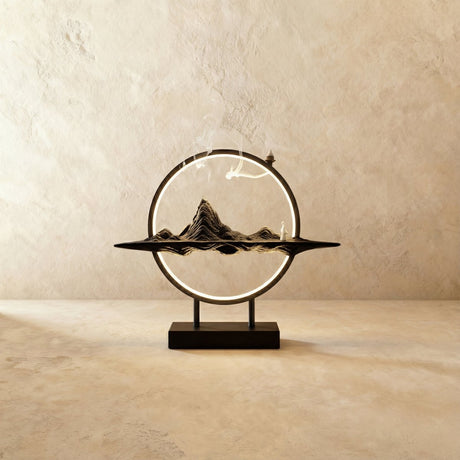


The Ultimate japanese Lighting Buyers Guide
japanese lighting has long been associated with the principles of wabi-sabi, which embraces the beauty of imperfection and the transient nature of life. These fixtures often reflect a harmonious balance between form and function, creating spaces that are both aesthetically pleasing and deeply tranquil.
Historical Facts
japanese lighting design has its roots in traditional paper lanterns and wooden lamps that were used in homes and temples. These designs emphasized the use of natural materials and soft, diffused light, which created a warm and inviting atmosphere. Over time, these elements have been adapted into modern designs that still retain their cultural significance.
Trends in japanese Lighting
Today, japanese lighting fixtures are admired for their simplicity and elegance. The trend includes the use of shoji paper, wooden frames, and minimalist designs that complement contemporary interiors. These fixtures are not only functional but also serve as works of art that enhance the tranquility of a space.
Significant Examples
One of the most iconic examples of japanese lighting is the Akari light sculptures by Isamu Noguchi, which combine traditional japanese paper lanterns with modernist design principles. These lights have become synonymous with japanese-inspired decor and are celebrated for their timeless beauty.
Tips on Styling with japanese Lighting
- Embrace Minimalism: japanese lighting works best in minimalist interiors where clutter is minimized, and the focus is on clean lines and simple forms.
- Incorporate Natural Elements: Pair japanese lighting with natural materials like wood, stone, and plants to create a serene and balanced environment.
- Use Soft, Diffused Light: Opt for fixtures that provide soft, ambient light to create a peaceful and calming atmosphere in any room.
- Create a Zen Space: Use japanese lighting in areas dedicated to relaxation, such as meditation rooms, bedrooms, or reading nooks, to enhance the sense of tranquility.


