New York this week is full of people looking at new lighting fixtures, furniture, and commissioned work from artists from around the world. The showrooms all over the city are open, the galleries are staffing bartenders, and somewhere in a SOHO penthouse, a new multi-piece furniture collection is being considered by people who think seriously about what a chair means. This is one of the weeks where the design world proves it’s an industry of standards, that objects we create matter, that the things we make carry intention, and that how something is built is also part of what it has to say.
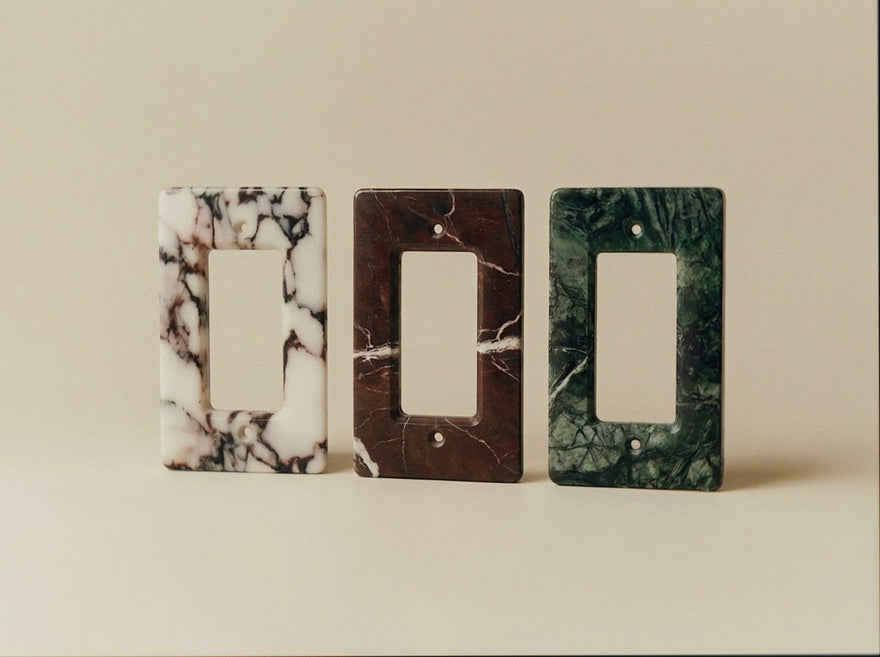
And yet, in almost every room people walk into, some of the most important objects in these spaces get overlooked by the work that is being platformed for consumption. Whether it’s the pull bars on the cabinets and dressers on display, the hinges on the doors being opened, or the handles that are being used repeatedly to walk into one showroom or the next, hardware are the unsung heroes that punctuate an object and what we remember about a space.
It takes a specific kind of attention to make hardware well. It’s not the same attention a furniture designer working with proportion and silhouettes use or the ceramicist wrestling with their kiln. It’s more akin to the work of a watchmaker, someone who works at a scale where the tolerance between right and wrong is a matter of millimeters, and the person who ultimately judges the work will do so, even if unintentionally, with their hands, not their eyes. It would be foolish to think a good door handle is judged by how it looks, as if it’s just looked at. A door handle is experienced through pressure, resistance, and the particular sensation of metal warming against skin; it’s designed for more than just our visual appetites.
That’s an understanding here at Residence Supply, from our founders and design team, through to every corner of the company; it’s one of the reasons brass is a foundational material for us. In this context, brass is more evidence of our belief about time than it being just another finish to use in lighting and hardware. Brass, especially when it's unlacquered, is one of the only materials in common domestic or commercial use that gets better as it records the life being lived around it. You have the darkening at the point of the most contact, the warmth that develops unevenly across the surface, the way a pull that’s been opened thousand of times carries a unique history in its patina that no new version of it can replicate, these things contributes to the material, and thus the hardware, aging gracefully and delivering on a beautiful experience for those who interact with it.
What an honored distinction for a material no?
Even if we extend this to lighting, even though it operates more overtly while leaning more stringent for visual indulges, it still conforms to the same end. A well-made lighting fixture isn’t shouting about itself as much as it shapes what everything looks like and how everything else is experienced; the way people socialize around an exhibit, whether they feel comfortable to have conversation or feel too exposed and intimidated, if they gravitate to the refreshments at the penthouse event or if they didn’t even notice they were there, or whether or not the room feels like a place to stay or simply another venue to pass through. The designers showing work in New York this week have to understand this instinctively almost, yet, it’s easy to be so fixated on highlighting what’s on display that you forget to account for the overall experience of your guests. I’d argue the most interesting lighting fixtures may be the ones on display, but the most important are the ones that call the venues home and yet are treated as the help for a lack of a better term. Which is unfortunate because they’re the ones that change the quality of the attention you bring to everything else.
I guess my argument here is in defense of what is easy to take for granted because it doesn’t get a special press release nor does it get a spotlight unto itself. It’s also an argument for craft at the scale of the fixture and the fitting, and that beauty can still be found in the foundational, in what we regard as matters of structure and utility. I’d even go so far as to say that the room you enter is more the sum of its thresholds and its light sources than what it holds within its space. Controversial, sure. But if you paid more attention to what you touch every day and what illuminates your spaces at night, how much more delight could you find in experiencing everything else within those four walls?
Something to consider as you travel from one part of New York City to another this week.