At some point in the 20th century, someone coined the phrase "living finish" as a collective trade or marketing term in our industry to describe unlacquered metals. And nobody blinked at the fact that it's a giant contradiction. A finish is an end. It literally describes the final point; you can't do any more. But a living finish, by definition, refuses to be finished; it keeps working long after you paid for it, took it home, and fixed it where you plan on using it thousands of times.
That's unlacquered brass. And you should know up front that choosing it for your home means choosing to be part of its change over time.
Unlacquered Brass Is Designed to Change
Have you ever heard of the term "desired path?" It's a term urban planners came up with to name the dirt trails worn across a lawn that cut away from the paved road. The concrete path would say Go this way, thousands of people would say No, I'm good, and go the way they please, and the grass would reflect the tens of thousands of steps in the lack of growth. Smart money would wait, see where the ground is going bald first, and then pave that instead. The record of steps is the truth of how people move through that area. The series of concrete slabs is just a theory on how people are expected to move through the area. Unlacquered brass does this to your home.
Lacquer is a sealed coating and clear jacket that keeps oxygen and skin oils off the metal; lacquered brass will stay as bright as the day it was shipped for much longer than the material itself tends to. Strip that jacket off, and the brass starts responding honestly to its circumstances. Our hands will affect it. Humidity, salt, the sun, the chemistry of the people who live there, residue from cleaning supplies; all of it impacts the surface of unlacquered brass. In the short term, it will darken where it's touched and stay bright where it's left alone. Over a long period of time, its the inverse, it darkens where it's left alone and stays bright where it's been touched, which means within a few years, the hardware in your home will draw a quite accurate map of your actual life.
You'll know what door everyone uses the most, which switches get used the most, which drawers your kids open forty times a day; if you want to take this to an extreme, it's a heat map of your domesticity rendered in oxidation, and entirely unbeknownst to you.
The Best Materials Carry the Evidence of Time
 The argument for the value of change to human flourishing isn't a new concept. We can trace it as far back as Solomon from the bible, or in the philosophies of Deleuze, Bergson and Neitzche. In 1849, theorist and art critic John Ruskin had a strong disdain for the people who wanted their buildings to remain pristine, going soo far as to insist the real value of architecture lad in something he called "that golden stain of time," this accumulated evidence of having been used by generations; something no amount of money can recreate or give to you on day one.
In his book The Seven Lamps of Architecture, he says "It is in that golden stain of time, that we are to look for the real light, and colour, and preciousness of architecture. And it is not until a building has assumed this character, till it has been entrusted with the fame, and hallowed by the deeds of men, till its walls have been witnesses of suffering, and its pillars rise out of the shadows of death, that its existence… can be gifted with even so much as these possess, of language and of life.”
One can argue that Ruskin last that argument almost two centuries later; we've gotten quite addicted to a lack of change for a while. However, we're slowly coming back to our senses.
We Haven't Always Appreciated Patina
 What should reassure you is hating change of anything at first is the standard response for most people and not some example of moral failing. When the Statue of Liberty first arrived in New York a beautiful new-penny brown, then turned green after a few decades, most people hated it. By 1906, a proposal was put forward to paint it back to her original color and erasing maybe the most famous patina in the world. Thanks to the ones who valued the change and who understood the patina was protecting the copper underneath, she stayed her iconic verdigris, and is one of the eight wonders of the world.
Or take Grand Central Station. Did I mention New York is the greatest city in the world? Grand Central Station's celestial ceiling spent decades absorbing vehicle exhaust and other pollutants until the stars at the top went out entirely. When the restorers finally cleaned it by 1998, they deliberately left on small dark rectangle up in the corner by the constellation Cancer, unwashed, and kept as a icon of the station's history. A tiny, preserved square of grime, kept on purpose because someone understood that erasing the record erases the proof that people experienced a way of life there.
So the choice between unlacquered brass and lacquered brass is less of a finish choice than it is a position on what your home should be a representation of.
Unlacquered Brass vs. Lacquered Brass
Lacquered brass says objects should resist the world around it and the truth of its own creation; it's a machine-age promise, arriving at perfection, and refusing to move from that point of view. There's nothing wrong with chosing this if that sounds sexy to you.
Unlacquered brass says objects should keep a record of life and those who interact with it. It goes all-in on the record it keeps will be more interesting and more valuable than the original. History tends to side with Unlacquered brass. We have entire industries devoted to selling manufactured age, whether it's destressed, reclaimed, pre-worn; unlacquered brass in your home makes the real thing.
And hey, if you decide you were wrong or the spontaneity of change being a bit too much for you, you can polish it back to new in an afternoon. Which is more forgiveness than most decisions you've made about your home will give you.
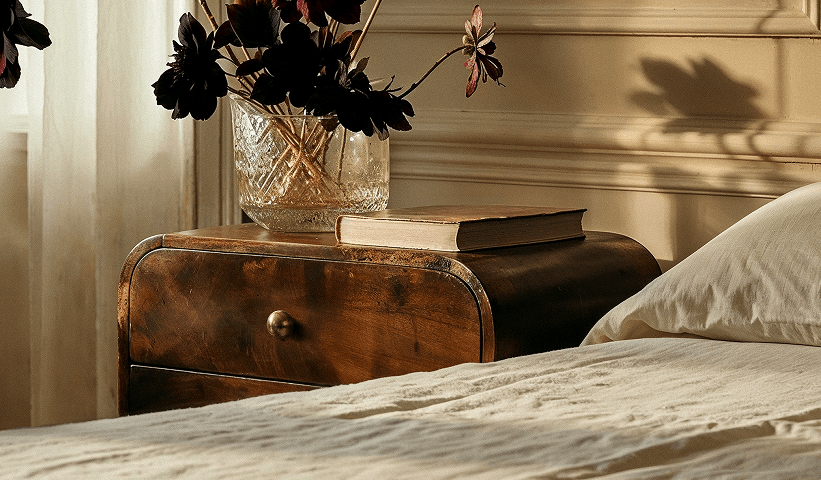
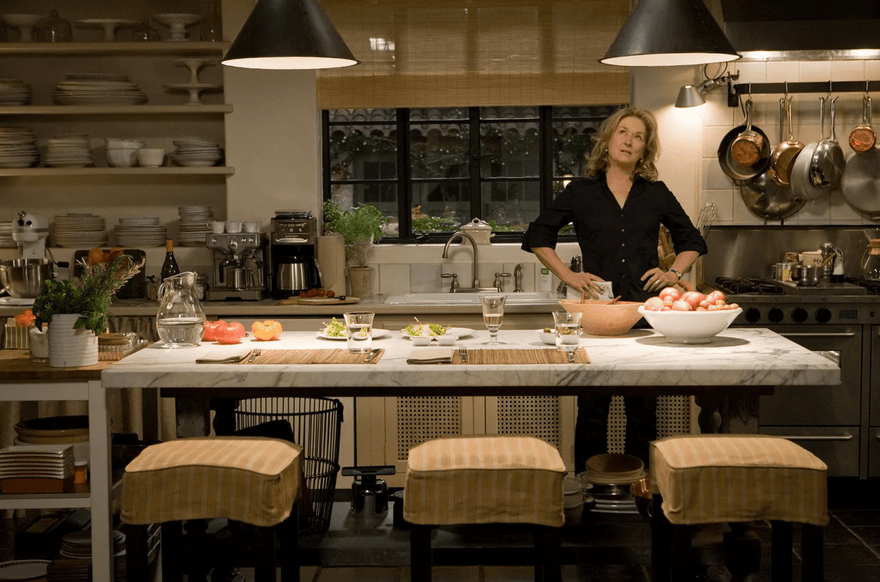
The materials and architectural details featured throughout this story reflect the beauty of surfaces that change with time and use. Images courtesy of the public domain. This story is part of Residence Supply’s Power of Imagination campaign.