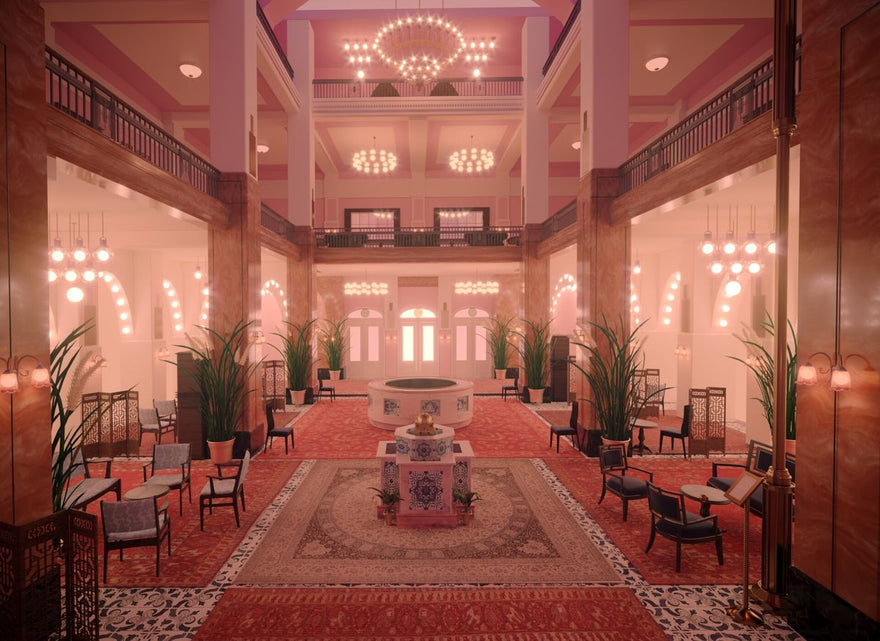
It's more common for creators in the home space to choose a lane; they either focus on interiors or food. Toronto-based creator Abhishek Dekate, has never seen them as separate. For him, a well-composed kitchen and a well-composed plate are fruit from the same texture and color-rich tree. So why choose between the two?
His recent loft renovation is evidence that indicts him and his refusal to trade one way or another. There's a Calacatta Viola countertop anchoring the kitchen, and a cooktop built into the island turns cooking into part of the hosting experience. Abhishek's style sits somewhere between Japandi, mid-century, and wabi-sabi, but he's quick to say arguing over the style label is moot in comparison to knowing your materials and whether or not your space actually feels like home.
I spoke with Dekate about intentional living, the details you feel every day, and what a trip to Japan changed about the way he lives.
How has your home changed as you've gotten clearer on your own taste?
It's become much more intentional. Earlier on, I was probably more focused on making a space look good. Now I'm much more interested in how it feels and whether the things around me actually have meaning or purpose. I'm drawn to natural materials, texture, warmth, and pieces with character. I want my home to feel calm and lived-in, not overly designed.
Most people in this space do interiors or food. You do both. Is that one thing to you or two?
They're really the same thing. Both are about creating an experience and bringing people together. I think about food the same way I think about interiors: texture, colour, composition, atmosphere. A beautiful kitchen makes me want to cook, and cooking makes me want to host. They're different mediums, but they come from the same place: creating a feeling.
More people are upgrading their switches and hardware. Why do you think that is?
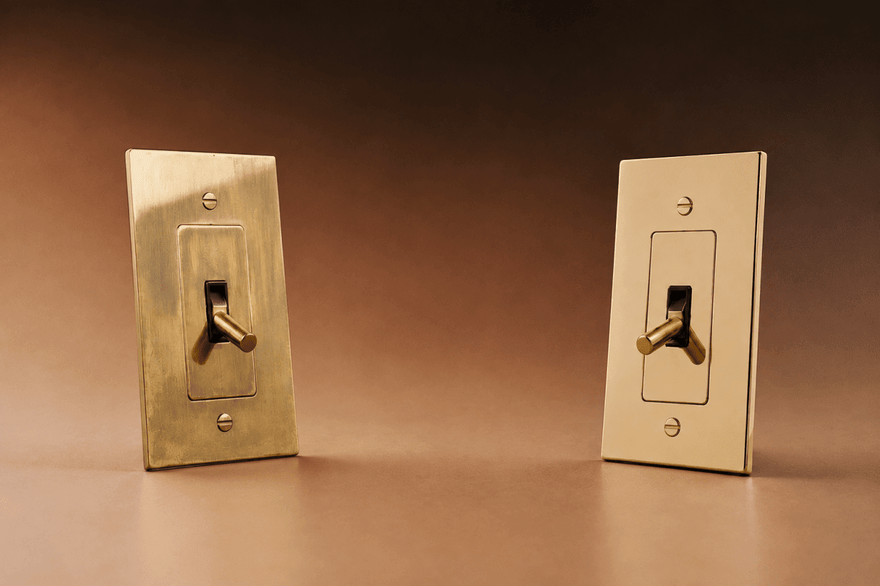
People are realizing that the little things are what make a space feel finished. A switch is something you interact with every day, so why should it feel like an afterthought? We spend so much time on countertops, lighting, and furniture, but those smaller details can completely change how cohesive a space feels. Good design is in the details.
Walk me through the loft reno. What did you agonize over that nobody would ever notice?
So many things. Where outlets go, how the millwork meets the floor, how much clearance you have around a cabinet. Nobody is going to walk in and say, "I love where that outlet is," but you feel those decisions every day.
The biggest lesson is that you can't overthink every decision forever, but you should really think through the things you'll live with every single day. For my next home, I want that same intention, hopefully with slightly less agonizing over every six inches.
Why Calacatta Viola, and how did you know it would hold up beyond day one?
It felt personal rather than purely aesthetic. I loved the deep burgundy veining. It doesn't feel overly perfect or predictable, which I'm naturally drawn to. I knew it would be a focal point, so everything else was designed around letting it breathe.
I'm less interested in whether something will look "on trend" for five years and more interested in whether I'll still love it years from now. That's what makes a material timeless.
What's the key to hosting a great night with friends?
Don't overcomplicate it. Good food, something to drink, good music, and people you actually want to spend time with. The best hosting happens when the host is enjoying themselves. I want people to feel like they're in someone's home, not a restaurant. It's about creating an atmosphere where nobody is looking at the clock.
What did you bring home from Japan?
Japan reinforced something I've been trying to bring into my life: doing less, but being more present in it. There's such an appreciation for simplicity, craftsmanship, ritual, and the beauty of everyday things. Not everything needs to be bigger, newer, or more. Sometimes the most beautiful thing is something simple that's been made really well and given the space to be appreciated.
Is there a ritual you'd feel wrong skipping before you cook, shoot, or host?
I always need a little reset. I'll put on music, light incense or a candle, clear the space, and take a few minutes to get into the right headspace. It sounds small, but it changes everything. I'm much more present when the environment feels calm and intentional.
This quarter we've been exploring imagination as seeing an ordinary thing for what it could be, not what it's labeled as. What in your space have you used differently than people would expect?
My kitchen island. I designed it less like a traditional island and more like a piece of furniture at the centre of the home. It's where I cook, prep, serve, style, shoot content, and gather with friends. The cooktop is built in, so cooking becomes part of hosting rather than something that happens away from everyone.
That's how I approach most things in my home. I don't want spaces or objects to have just one purpose. If something can be beautiful, functional, and part of a ritual at the same time, that's much more interesting to me.
Abhishek Dekate is currently planning his next transformation at home, turning his attention to a dramatic reimagining of his home office and entryway. Follow his work to see the transformation. This story is part of Residence Supply’s Power of Imagination campaign, exploring what can happen when we see familiar spaces and objects for what they could be, rather than what they are. This interview has been edited for length and clarity.