Table of Contents
What Is Ambient Lighting vs Task Lighting: Key Differences Explained

Megan Reed |
When it comes to lighting your home, understanding the different types can make a world of difference. It’s not just about flipping a switch; it’s about creating an atmosphere that feels right for you. Two of the most important types of lighting are ambient and task lighting. They serve distinct purposes and can dramatically change the feel of a space. Let’s break it down in a way that’s easy to grasp and maybe even a little fun!
Understanding Ambient Lighting
Think of ambient lighting as the blanket of light that wraps around a room. It’s the general illumination that fills the space and sets the mood. This type of lighting is crucial because it provides a comfortable level of brightness without causing glare or harsh shadows. Imagine walking into a cozy living room where the soft glow invites you to sink into the sofa. That’s ambient lighting doing its job!
Characteristics of Ambient Lighting
So, what makes ambient lighting special? Here are a few key characteristics:
- Soft and Diffused: Ambient lighting is usually soft and diffused, creating a warm, inviting atmosphere.
- Even Distribution: It’s designed to illuminate the entire room evenly, ensuring there are no dark corners.
- Versatile Sources: This type of lighting can come from various sources, including ceiling fixtures, wall sconces, and even floor lamps.
Examples of Ambient Lighting
To really get a feel for ambient lighting, think about these common examples:
- Ceiling Fixtures: Chandeliers and flush mounts are classic choices that provide a broad wash of light.
- Wall Sconces: These can add a touch of elegance while enhancing the overall brightness of a room.
- Natural Light: Large windows and skylights can also serve as ambient light sources during the day, bringing the outside in.
In addition to these examples, consider the role of color temperature in ambient lighting. The warmth or coolness of the light can significantly influence the ambiance of a space. For instance, warm white light (around 2700K) creates a cozy and intimate setting, perfect for living rooms and bedrooms, while cooler white light (around 4000K) can energize a workspace, making it ideal for kitchens or home offices. Choosing the right color temperature can enhance the overall experience of a room, making it feel either relaxing or invigorating, depending on your needs.
Another important aspect of ambient lighting is its ability to work in harmony with other types of lighting, such as task and accent lighting. Task lighting focuses on specific areas where activities like reading or cooking take place, while accent lighting highlights particular features, such as artwork or architectural details. When these different lighting types are combined effectively, they create a layered lighting scheme that adds depth and interest to a room, allowing for both functionality and aesthetic appeal.
What Is Task Lighting?
If ambient lighting is the cozy blanket, then task lighting is like the focused beam of a flashlight. It’s all about providing the right amount of light for specific tasks, whether that’s reading a book, cooking dinner, or working on a project. Task lighting is essential for functionality, helping you see clearly and avoid straining your eyes. By ensuring that the areas where you perform detailed work are well-lit, task lighting can significantly enhance productivity and comfort in your daily activities.
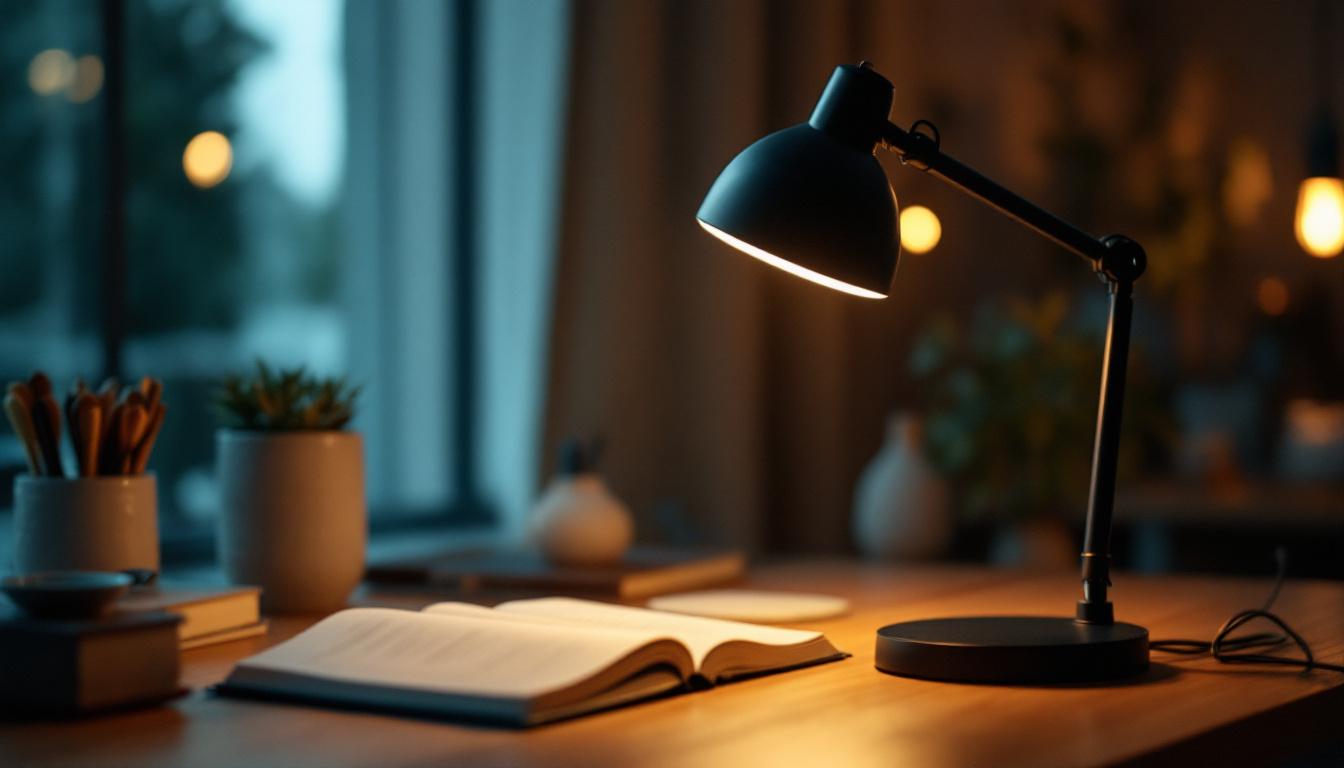
In addition to its practical benefits, task lighting can also contribute to the overall aesthetic of a space. The right task light can serve as a design statement, adding character and style to your home or office. Whether you prefer a sleek modern lamp or a vintage-inspired fixture, task lighting can be both functional and visually appealing, seamlessly integrating into your decor while providing the necessary illumination.
Characteristics of Task Lighting
Task lighting has its own unique traits that set it apart from ambient lighting:
- Focused Illumination: Unlike ambient lighting, task lighting is designed to illuminate specific areas where activities take place.
- Adjustable: Many task lights are adjustable, allowing you to direct light exactly where you need it.
- Variety of Styles: Task lighting comes in many forms, from desk lamps to under-cabinet lighting in kitchens.
Moreover, task lighting often features different color temperatures, which can influence the mood and effectiveness of your work environment. Warmer tones can create a more relaxed atmosphere, perfect for reading or crafting, while cooler, brighter lights can enhance alertness and focus, making them ideal for tasks that require precision, such as studying or detailed handiwork. This versatility allows you to tailor your lighting to suit your specific needs and preferences.
Examples of Task Lighting
Here are some popular examples of task lighting that you might find in your home:
- Desk Lamps: Perfect for reading or working, these lamps provide focused light right where you need it.
- Under-Cabinet Lights: These are fantastic in kitchens, illuminating countertops for meal prep and cooking.
- Floor Lamps: Adjustable floor lamps can serve as both task and ambient lighting, depending on how you position them.
In addition to these common examples, there are also specialized task lighting options that cater to specific activities. For instance, magnifying lamps are invaluable for hobbies like model building or jewelry making, providing both light and magnification for intricate work. Similarly, lighted mirrors in bathrooms not only enhance visibility for grooming tasks but also add a touch of luxury to your daily routine. These specialized fixtures demonstrate how task lighting can be tailored to meet the unique demands of various tasks, ensuring that you have the right illumination for every activity.
Key Differences Between Ambient and Task Lighting
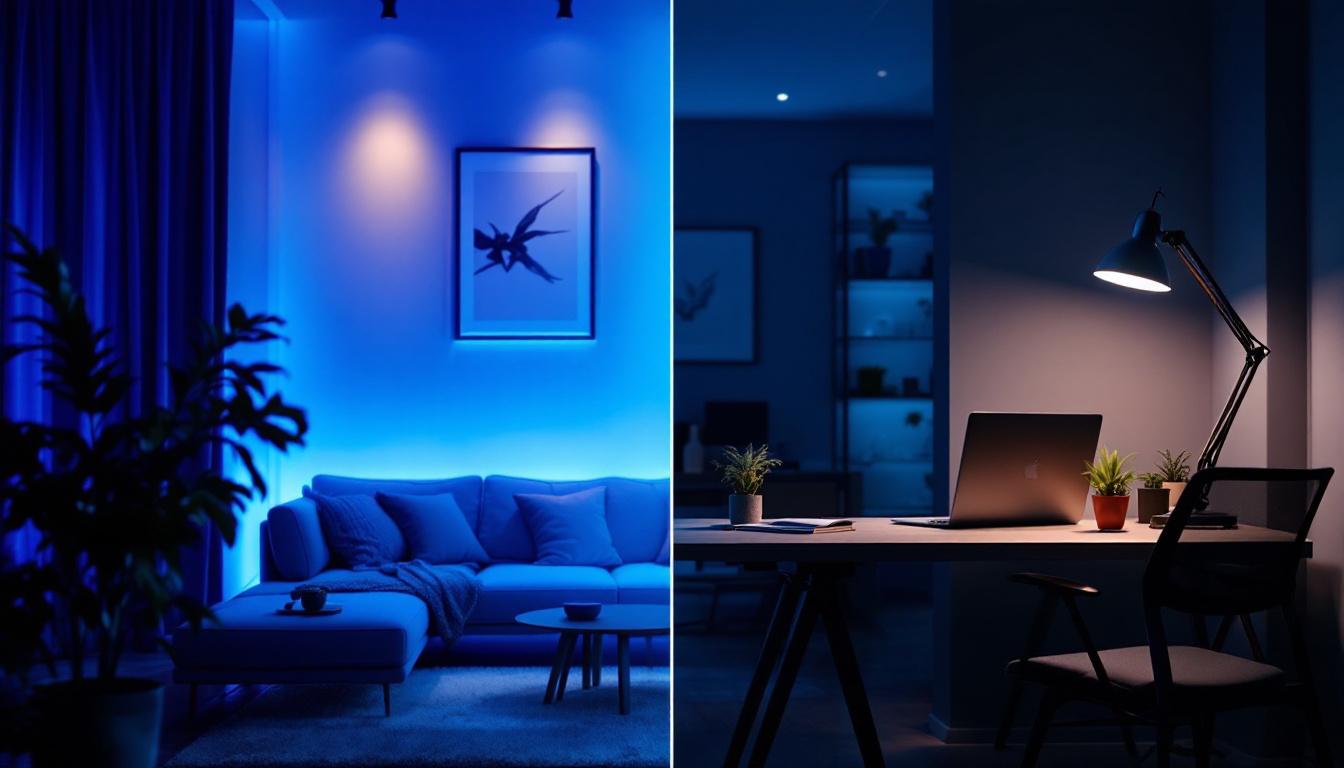
Now that we’ve covered the basics, let’s dive into the key differences between ambient and task lighting. Understanding these distinctions can help you create a well-lit, functional, and inviting space.
Purpose
The primary purpose of ambient lighting is to provide overall illumination. It’s about creating a comfortable atmosphere. On the other hand, task lighting is all about functionality. It’s designed to help you see clearly while performing specific tasks. For instance, in a home office, ambient lighting might set a warm and inviting tone, while task lighting, such as a desk lamp, ensures that you can read and write without straining your eyes. This dual approach not only enhances productivity but also contributes to the overall aesthetic of the room.
Intensity and Focus
Ambient lighting is generally softer and more diffused, creating a gentle glow throughout the room. In contrast, task lighting is more intense and focused, directing light exactly where it’s needed. This contrast is essential for balancing comfort and functionality in your space. For example, a well-placed pendant light can provide ambient light in a dining area, while a focused spotlight can illuminate a piece of artwork or a specific area of interest. The interplay between these lighting types can dramatically influence the mood and usability of a space, making it vital to consider how they work together.
Placement
Ambient lighting is typically installed in the ceiling or walls, providing a uniform light level across the entire room. Task lighting, however, is strategically placed in areas where specific activities occur, such as above a kitchen island or next to a reading chair. This strategic placement not only enhances the functionality of the space but also allows for creative expression. For instance, using adjustable floor lamps or under-cabinet lighting in the kitchen can add both style and practicality. Moreover, layering these types of lighting can create depth and dimension, making the environment feel more dynamic and inviting.
Color Temperature
Another important aspect to consider is the color temperature of the lighting. Ambient lighting often utilizes warmer tones, which can evoke feelings of coziness and relaxation, making it perfect for living rooms and bedrooms. In contrast, task lighting typically employs cooler tones, which can enhance concentration and alertness, ideal for workspaces and kitchens. By thoughtfully selecting color temperatures, you can further refine the atmosphere of your space, ensuring that each area serves its intended purpose while also feeling harmonious and cohesive.
Design Elements
Finally, the design of your lighting fixtures can play a significant role in the overall aesthetic of your space. Ambient lighting fixtures, such as chandeliers or flush mounts, often serve as focal points that draw the eye and complement the room’s decor. Task lighting, on the other hand, can be more utilitarian, but it doesn’t have to be. Stylish desk lamps or chic wall sconces can enhance the visual appeal while providing the necessary functionality. By carefully selecting fixtures that align with your design vision, you can enhance both the practicality and beauty of your home.
Creating the Perfect Balance
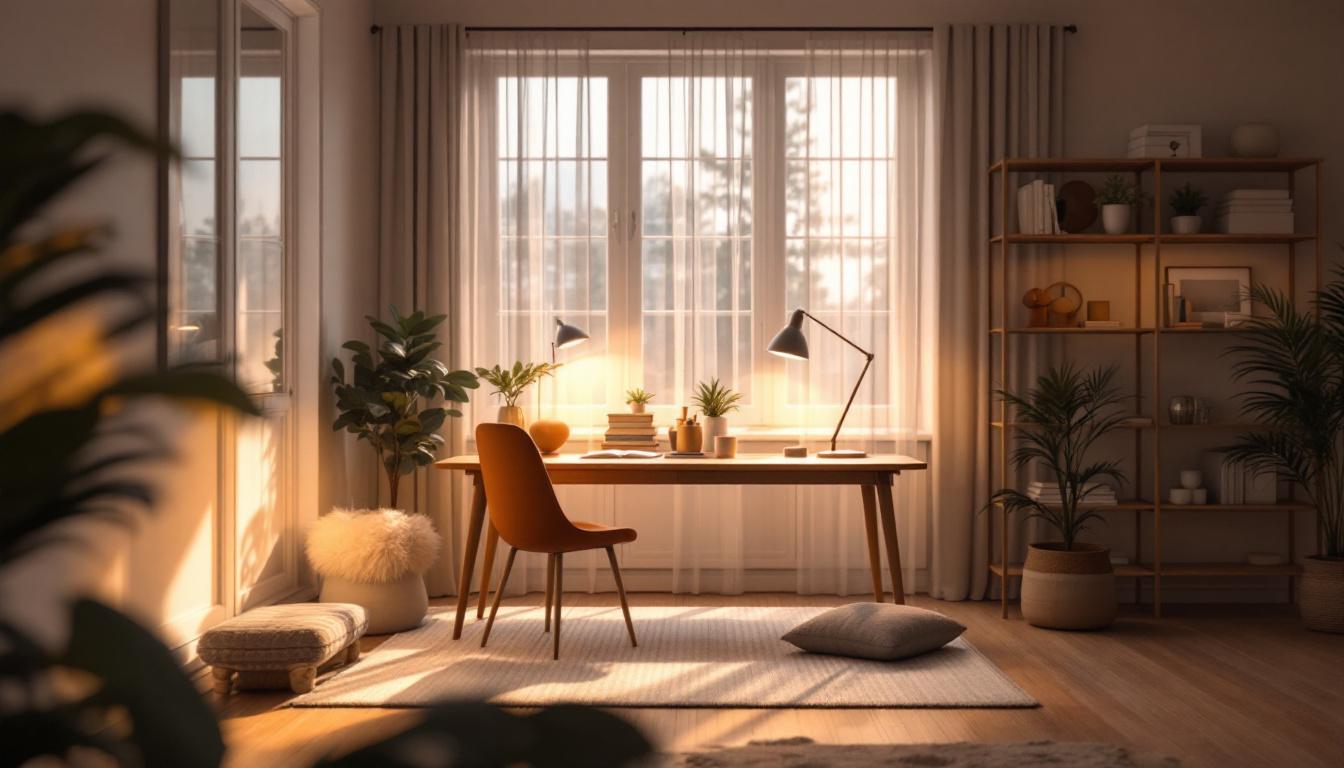
Now that you know the differences, how do you create the perfect balance between ambient and task lighting in your home? It’s all about layering your lighting. Here are some tips to help you achieve that harmonious glow:
Layering Techniques
1. **Combine Different Sources:** Use a mix of ambient and task lighting to ensure every area of your home is well-lit. For instance, pair a beautiful chandelier with stylish table lamps for a living room that’s both functional and inviting.
2. **Consider Dimmers:** Installing dimmer switches can give you control over the intensity of your ambient lighting, allowing you to create the right mood for any occasion.
3. **Use Adjustable Fixtures:** Opt for adjustable task lighting, like swing-arm lamps or pivoting sconces, so you can direct light exactly where you need it.
Think About Color Temperature
The color temperature of your bulbs can also impact the feel of your space. Warmer tones (around 2700K) create a cozy atmosphere, while cooler tones (around 5000K) are more energizing and work well for task lighting. Mixing these temperatures can help you achieve a balanced ambiance.
Final Thoughts on Lighting Your Home
Lighting is one of those elements that can truly transform a space. By understanding the differences between ambient and task lighting, you can create a home that feels inviting and functional. Remember, it’s all about layering your lighting sources to achieve that perfect balance.
So, whether you’re curling up with a good book under a warm glow or whipping up a gourmet meal with focused task lighting, the right lighting can enhance every moment in your home. It’s not just about seeing; it’s about feeling. And that’s what makes a house a home.
With a little thought and creativity, lighting can tell your story, reflecting your style and making every room a place where memories are made. Happy decorating!
Illuminate Your Historical Home with Residence Supply
Embrace the art of lighting with Residence Supply, where each fixture is a masterpiece designed to enhance the unique character of your historical home. Discover our exquisite collection of chandeliers, wall lamps, pendant lights, and more, each handcrafted to perfection. Elevate your home's ambiance with lighting that doubles as a work of art. Shop Now and let your space shine with the legacy of old-world craftsmanship.